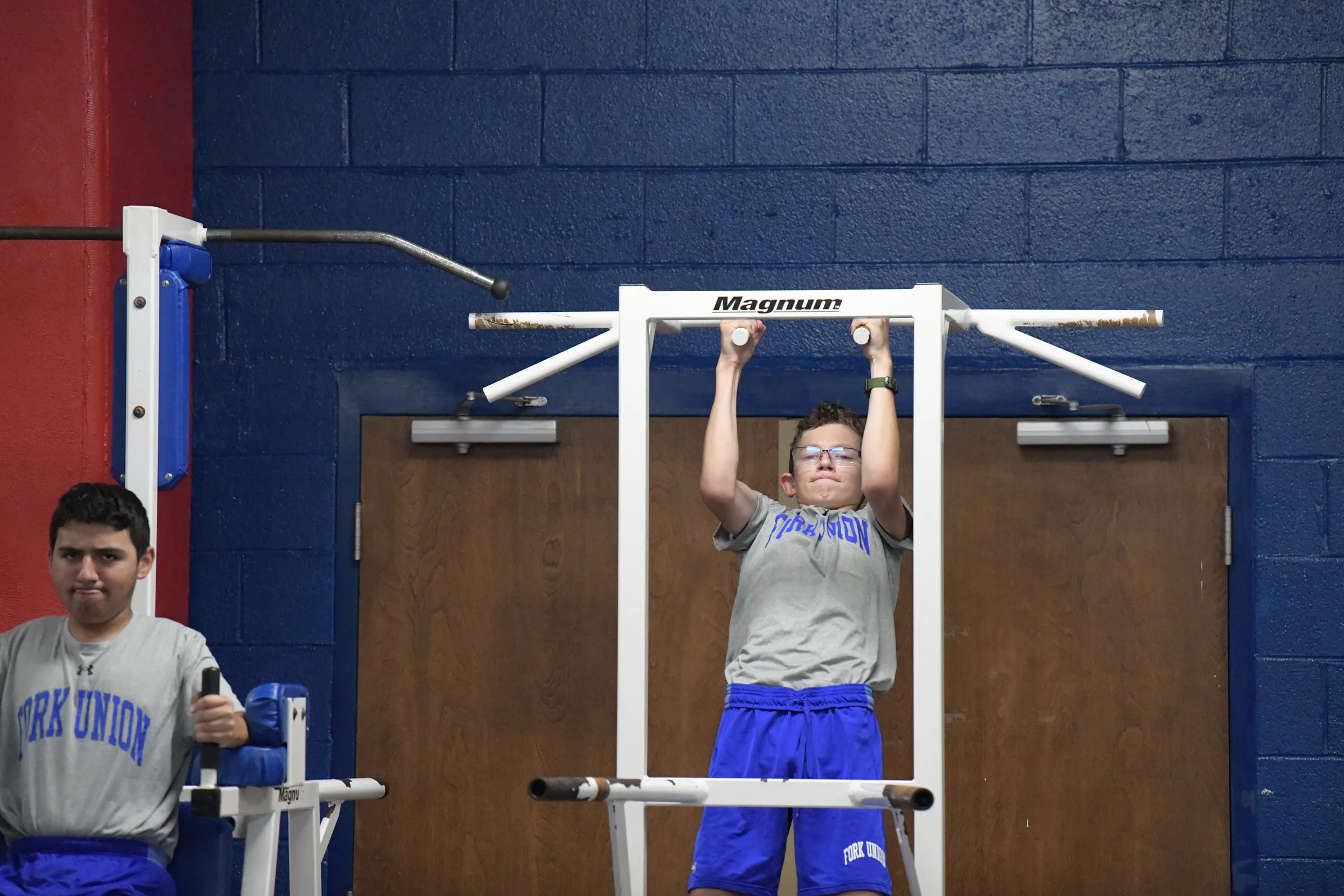
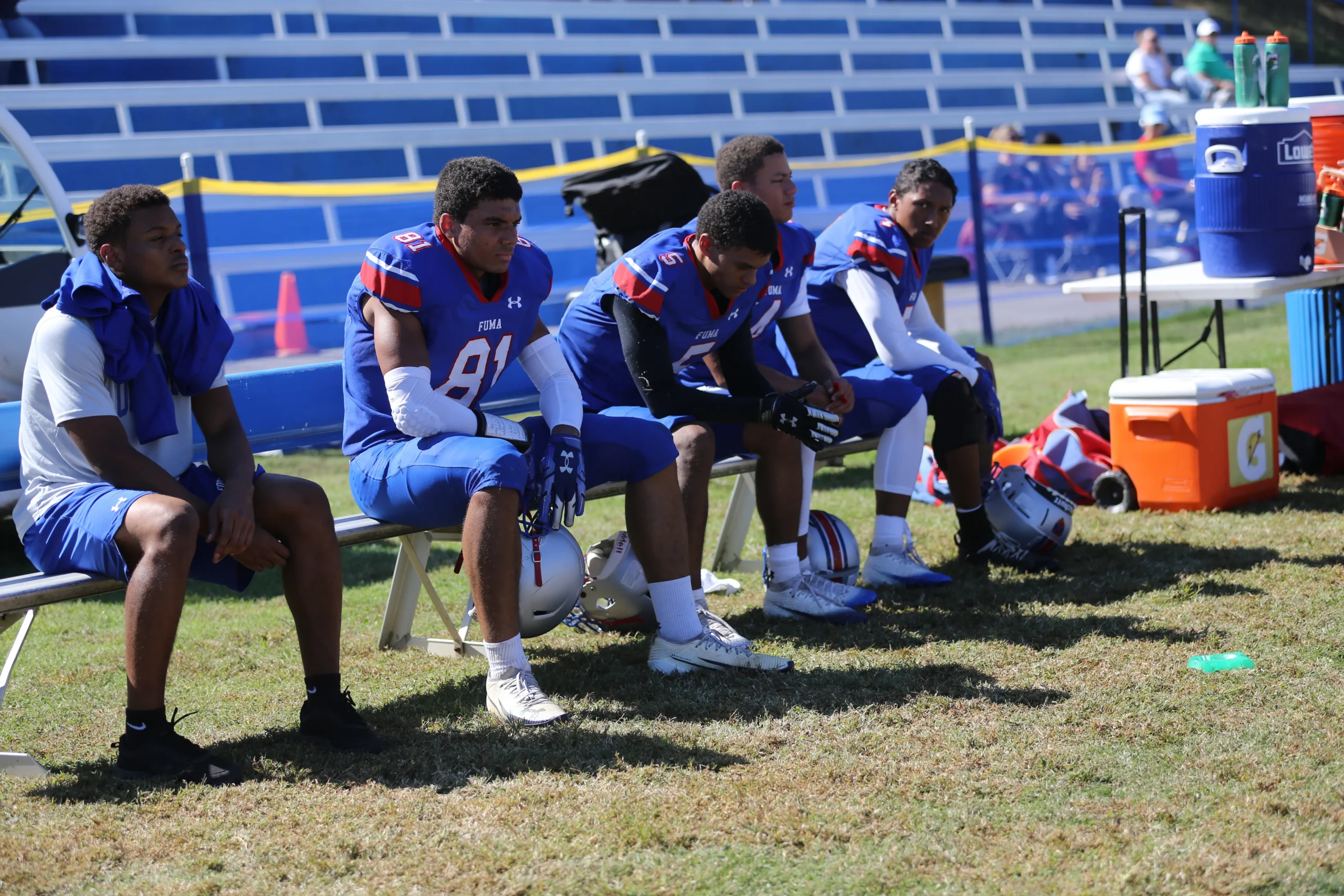
The short answer: Prep school football vs football camp comes down to one thing: time on task. A football camp is a 1- to 4-week training experience focused on skill development. A football school like Fork Union Military Academy’s Postgraduate Football program is a full academic year of integrated football, academic remediation or acceleration, college recruiting support, and college-coach exposure. Prep school football does not count against NCAA eligibility. More than 117 FUMA football alumni have been drafted or signed by NFL teams.
Last summer, a rising senior we will call [ATHLETE PSEUDONYM] attended four football camps in six weeks — Penn State’s elite camp, a Virginia Tech satellite, an Elite 11 regional, and a local 7-on-7 weekend.
He came home with four t-shirts and zero new offers.
The same summer, a rising postgraduate at Fork Union Military Academy was averaging eleven hours a day of film, weight room, on-field reps, and academic preparation. He was doing it five days a week. He was doing it in front of position coaches whose only job was to develop and place prep athletes. He was doing it on a campus that hosted college recruiters every week of the season.
Both athletes worked hard. Both spent money. Only one was inside a recruiting environment.
That is the difference between football camp and football school. This post explains how the math actually works — and was reviewed by Coach Frank Arritt, Head Coach of FUMA Postgraduate Football.
A football camp is a short, focused training experience.
What a football camp typically includes:
What a football camp doesn’t include:
Camps are useful. They sharpen technique. They can put an athlete on a college coach’s radar for the first time. They cannot, by themselves, get him recruited.

Prep school football is a full academic year of integrated football and academic development at a residential institution.
At Fork Union, the program looks like this:
This is not a camp. This is a season — under coaches whose track record is placing athletes at the level above them.
This is the part most parents and athletes don’t know — and the structural reason prep school football exists.
A postgraduate year at a prep school does not count against NCAA eligibility. [SOURCE: NCAA Eligibility Center — link to ncaaeligibilitycenter.org for primary verification.]
This is different from a year at a junior college, where playing time counts against eligibility. A PG year is a year of growth, recruiting, and academic preparation — without burning a year of college eligibility.
For an athlete with two offers who wants four, or with a 1.9 GPA who needs a 2.5 to qualify, or with senior-year tape that does not yet sell — the PG year is the structural answer.
| FUMA Football | The Numbers |
|---|---|
| Postgraduate football alumni → NFL (drafted or signed) | 117+ |
| Athletes annually to NCAA programs (all sports) | 30–60 |
| Head Coach (PG Football) | Coach Frank Arritt |
| Basketball alumni → D1 (related PG program) | 400+ |
| Basketball alumni → NBA | 13 |
| Founded | 1898 (military academy) |
| Campus | 1,100 acres, Fork Union, Virginia |
| Academic frame | The One Subject Plan |
Source: FUMA Athletics Department, [VERIFY DATE]. NFL alumni count per Pro Football Reference.
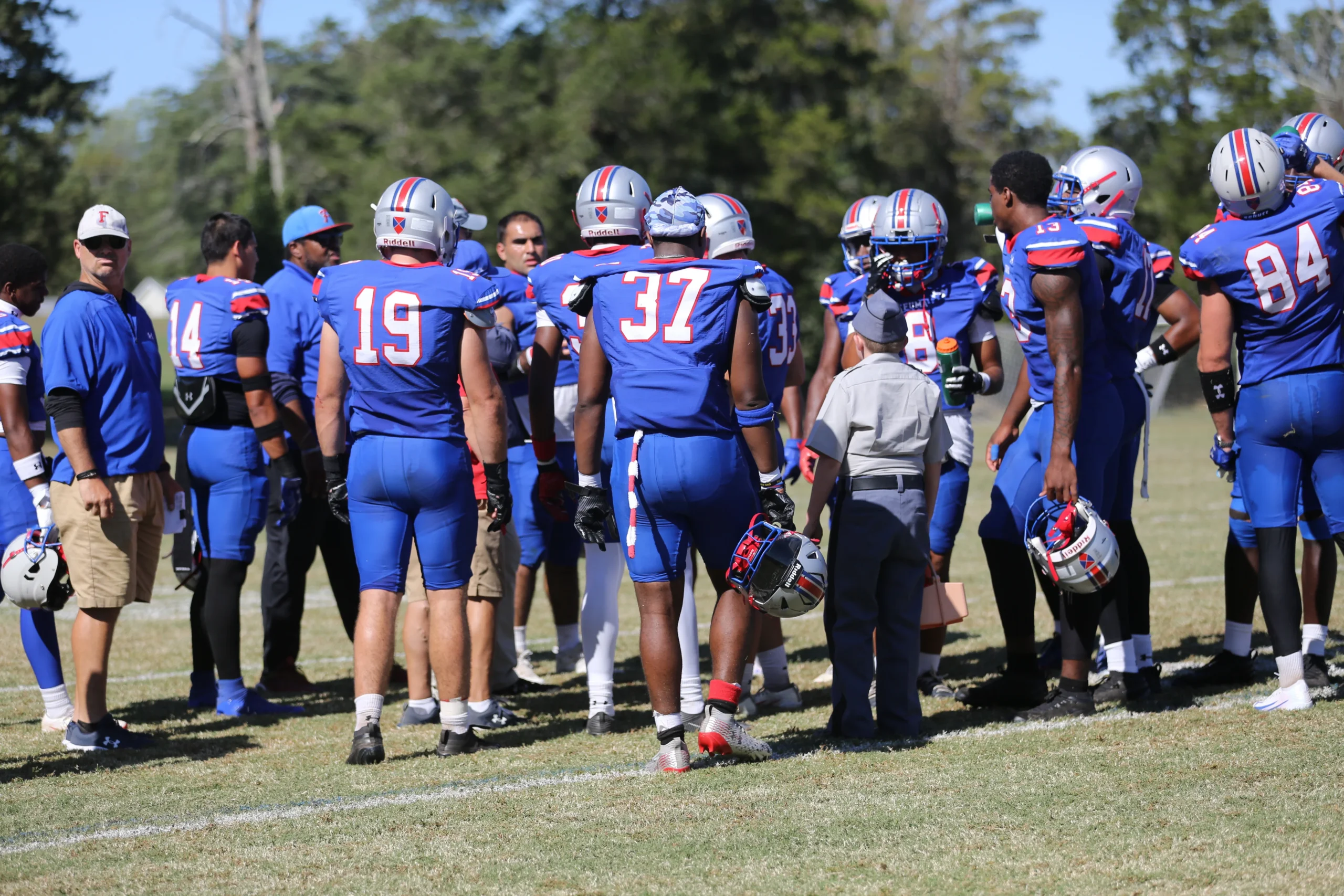
A weekday in season:
Saturday is game day. Sunday includes chapel, recovery, and film review for the upcoming opponent.
For broader context on accredited boarding schools and their programs, The Association of Boarding Schools (TABS) maintains a national directory and accreditation standards worth consulting.
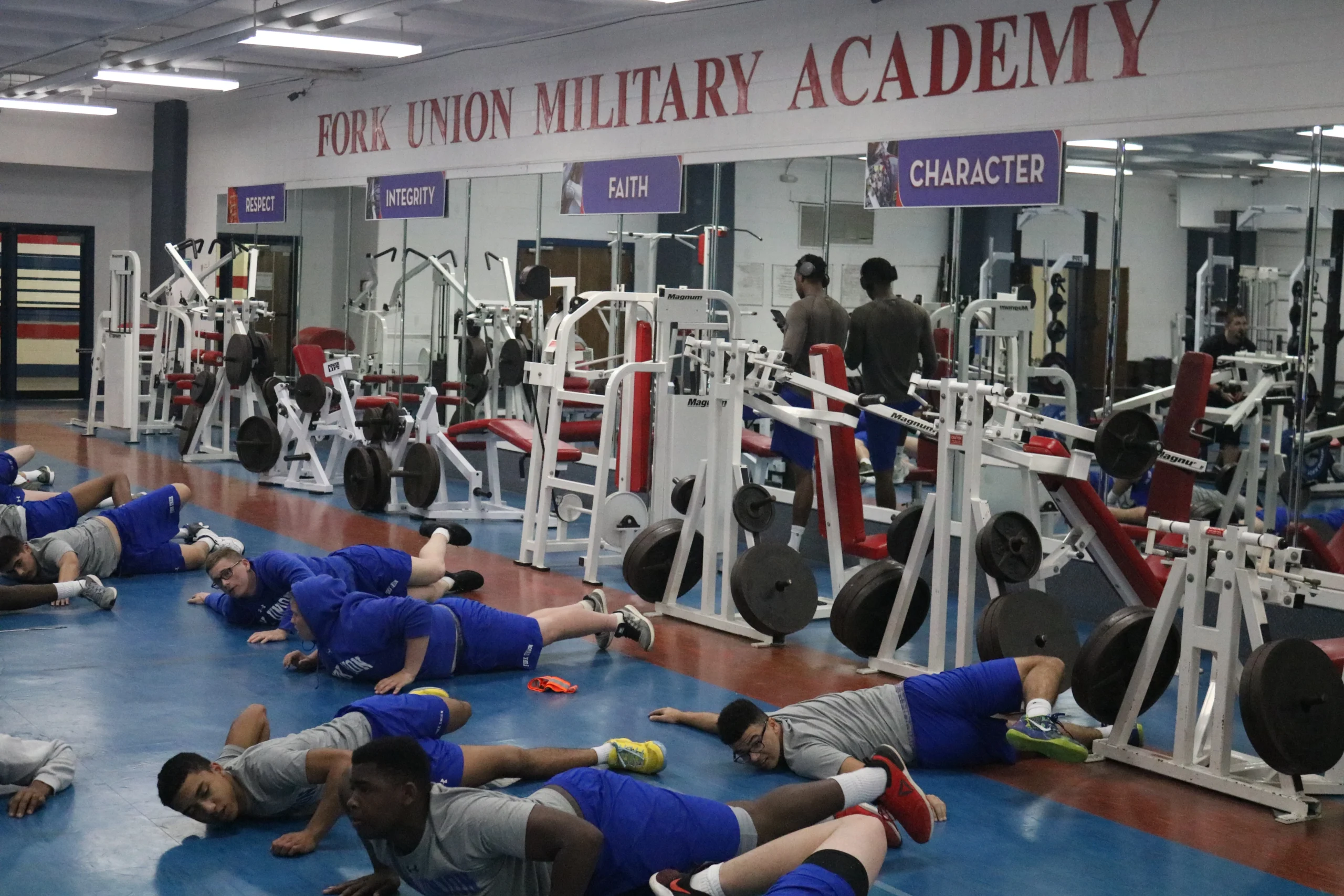
This is the honest filter. A PG year at Fork Union is a strong fit if:
It is not the right fit if:
Coach Arritt will tell you the same thing on a recruiting call. He has nothing to gain from recruiting a PG who isn’t ready.
[QUOTE: 120 words from Coach Frank Arritt. Real, on-record. Must be procured pre-publish. Sample positioning below for SME review.]
“Football camps don’t make recruits. Repetition, film, and competition against great players make recruits. A PG year at FUMA gives the athlete all three for ten months under coaches who know exactly what college programs are looking for — because we placed players there last year, and the year before that. The athletes who succeed here are the ones who arrive knowing the work is the point. The camps will still be there. But the camps don’t get you signed.”
— Coach Frank Arritt, Head Coach, FUMA Postgraduate Football
The Ultimate College Recruiting Playbook covers the prep-to-college timeline, film best practices, contact strategy with college coaches, and the parent’s role through the process.
Download the Recruiting Playbook (PDF).
Three concrete questions to ask:
Does my son have at least one D2 or D1 offer or strong interest? If yes, a PG year often upgrades the slate. If no, a PG year may not be the answer — get an honest evaluation first.
Is my son academically eligible for the schools recruiting him? If no, a PG year at FUMA provides the academic block to qualify. The One Subject Plan was built for exactly this kind of focused academic work.
Will my son’s senior-year film be enough to close on his target offer? If no, a PG year provides ten more months of film against top prep competition.
If the honest answer to any of these is no or maybe, a PG year at FUMA is worth a conversation.
A football camp is a t-shirt. A football school is a recruiting strategy.
The right one for your son depends on where he is — and where he wants to be. If you are not sure, the Coach Arritt and the FUMA Athletics admissions liaison will tell you honestly. Contact FUMA PG Football to set up a recruiting conversation.
What is the difference between a football camp and a prep football school? A football camp is a short (1-day to 1-week) skill development experience focused on drills and evaluation. A prep football school, like Fork Union Military Academy’s Postgraduate Football program, is a full academic year of integrated football training, academic instruction, college coach exposure, and recruiting support — typically while the athlete also pursues academic acceleration or remediation.
How many FUMA football alumni have made the NFL? More than 117 Fork Union Military Academy football players have been drafted or signed by NFL teams across the program’s history.
Does a postgraduate year affect NCAA eligibility? No. A postgraduate year at a prep school does not count against NCAA eligibility. This is different from junior college time, which does count.
Who is the head coach of FUMA Postgraduate Football? Coach Frank Arritt is the Head Coach of FUMA Postgraduate Football.
How much does FUMA Postgraduate football cost? FUMA’s full school-year tuition is approximately $36,600 for U.S. boarding students, with total fees around $46,450 depending on program. More than half of U.S. domestic boarding cadets receive some level of financial aid. Contact FUMA Admissions for current-year specifics.
Can a current high school student attend FUMA without doing a PG year? Yes. FUMA’s Upper School football program is open to cadets in grades 9–12. Postgraduate football is a separate program for athletes who have completed high school. The PG team competes separately from the Upper School team.
This post was reviewed by Coach Frank Arritt, Head Coach of FUMA Postgraduate Football. Last updated [DATE].