The short answer: Summer boarding school for boys at Fork Union Military Academy is a four-week immersion for grades 7–12 in structure, athletics, academic enrichment, and faith-based character development on a 1,100-acre Virginia campus. Cadets follow a six-day schedule of classes, drill, sports, and free time, with weekend visits home permitted. The 2026 Summer Academy runs June 28 to July 25.
I cried in the parking lot.
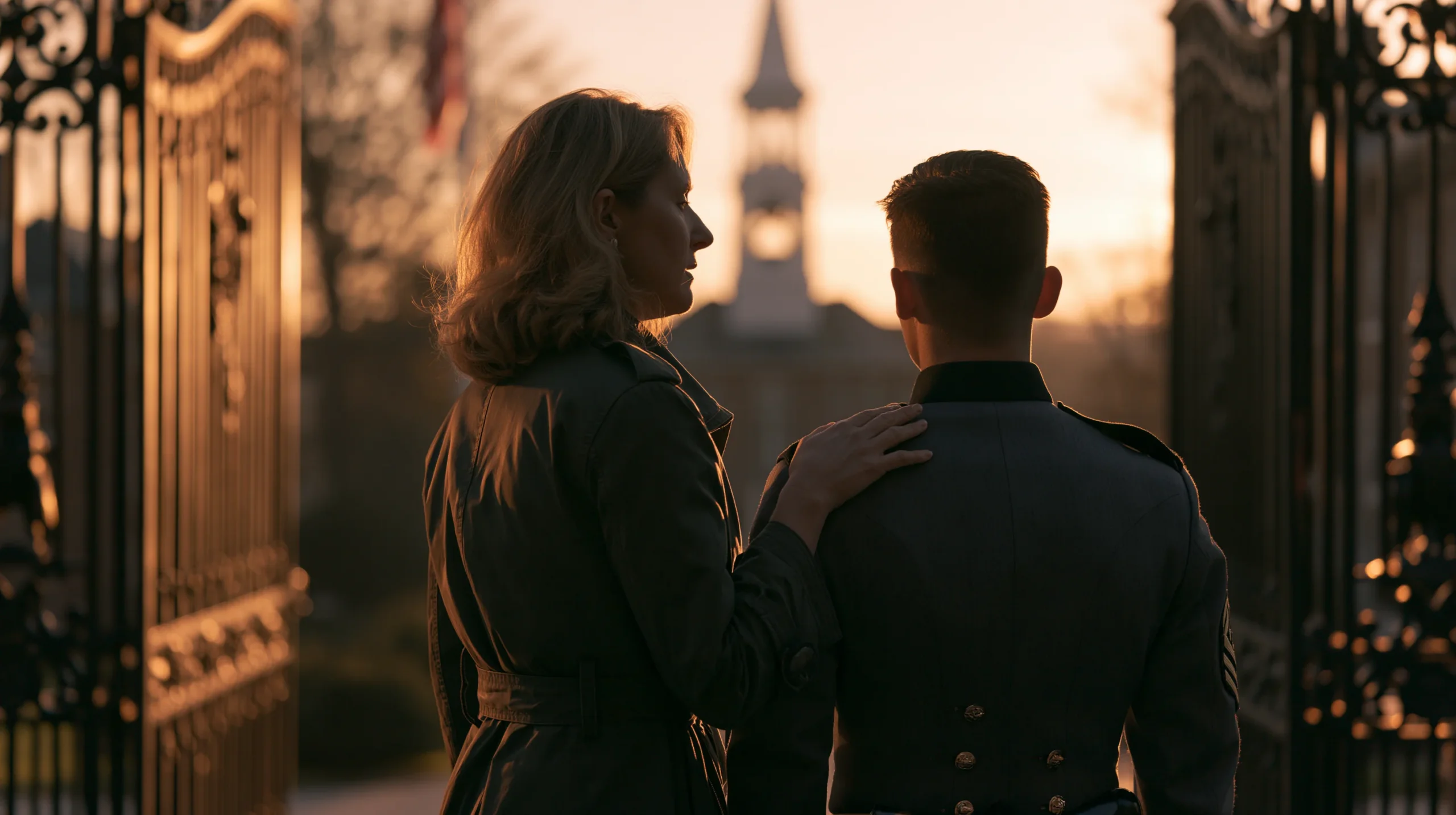
I had spent six weeks getting ready. I had labeled twenty-three pieces of clothing with a Sharpie. I had bought a footlocker, a shower caddy, a hat with a stiffer brim than any hat my son had ever worn. I had packed three pre-stamped envelopes with our home address printed on the front so he would have no excuse not to write. And then, at 3:47 PM on a Sunday in late June, I watched him walk away from me in a uniform that didn’t fit yet and I cried in the parking lot for ten minutes before I could turn the key in the ignition.
A year later, I want to be the parent I needed in that parking lot. So here are the twelve things no admissions brochure told me — written for the mother I was the morning I dropped him off at Fork Union Military Academy’s Summer Academy.
I had two fears going in. The first was that he would hate it and never speak to me again. The second was that he would love it and never want to come home.
The first fear was the loud one. The second fear was the truer one. I want to tell you about both.
By the time you reach the parking lot, your son is already inside a system that knows what to do with him. He is being handed off to a Tactical Officer who has done this for [X] summers. He is being given a bunk number, a footlocker drawer, a roommate’s first name. He has people. You drive home alone and sit in the kitchen at 8 PM with all his shoes by the back door and no one to feed dinner to. The goodbye is yours. He has already moved on.
I packed too much. Everyone packs too much. Half of what I sent came back unworn. The dorm room is a regulation space; there is no room for the extras, and the TACs send the excess home. Use the official packing list. Don’t overlay your own anxiety onto it. [INTERNAL LINK: download our printable summer packing list at GA-08 URL].
Fork Union is the only school in the country that teaches with the One Subject Plan — cadets focus on a single academic course at a time, all day, with the same teacher, for the full session. In Summer Academy, that meant my son spent his four weeks on one subject he had struggled with at his old school. He came home not just knowing the material, but knowing he could learn it. That second thing was worth the tuition by itself.
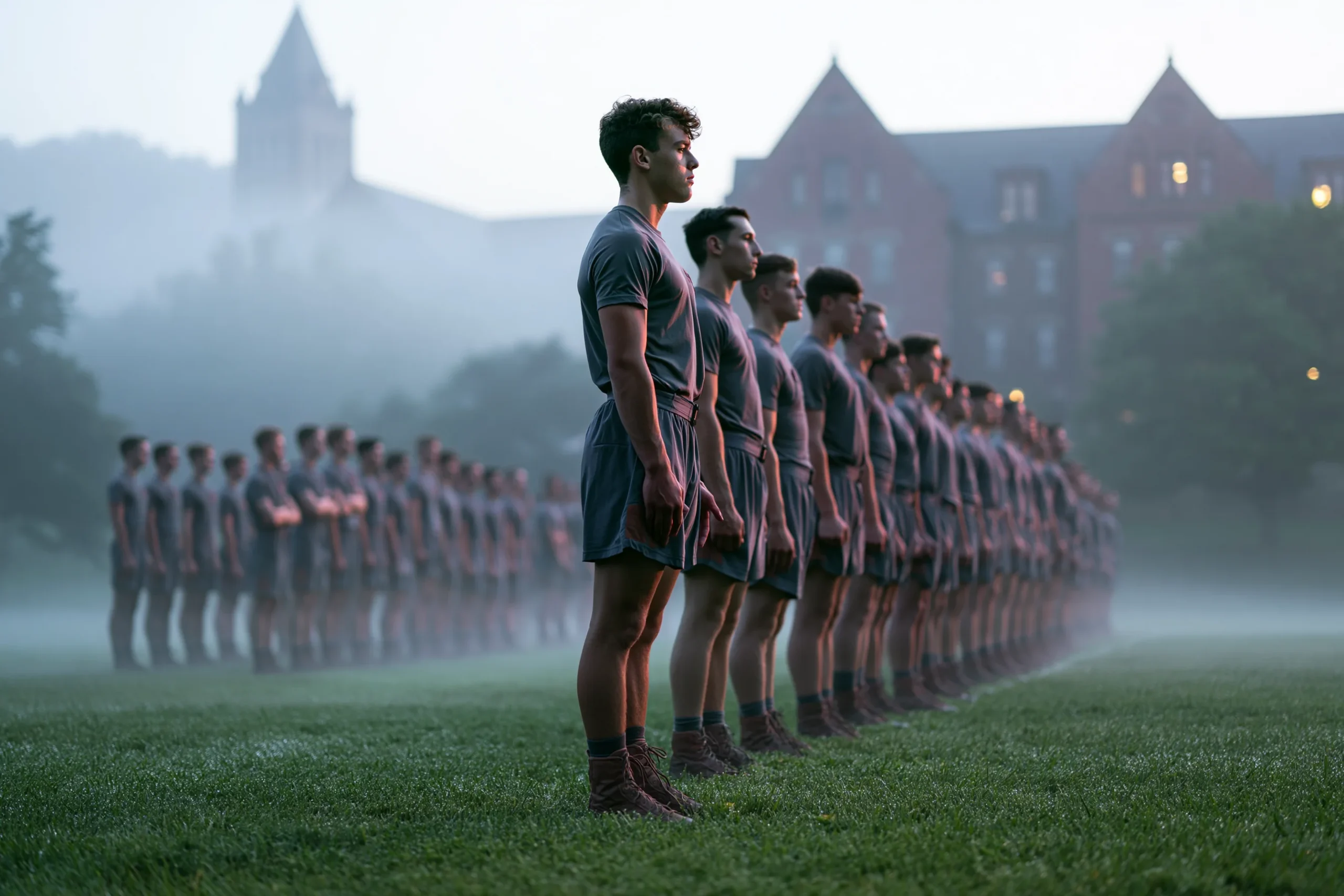
I went in thinking of military structure as a discipline tool. I came out understanding it as care. Morning physical training at 6:15. Formation before every meal. Saturday room inspection. These are not arbitrary rules. They are the structure that lets a 13-year-old put his head down and concentrate, because the rest of the day has already been decided for him. Decision fatigue is a real thing for adolescents. FUMA removes it.
This was the part I dreaded most and the part my son missed least. Cell phone use is restricted during Summer Academy. Cadets have scheduled call times to phone home, and parents can write or email anytime. He had his phone back in his hand within an hour of pickup. He did not look at it for six more.
Send the first one before he arrives. Have it waiting on his bunk on move-in day. Then send one every five days. They do not need to be long. He will keep them in his footlocker and read them at lights-out. He will not call you to tell you he kept them. You will find them when he comes home.
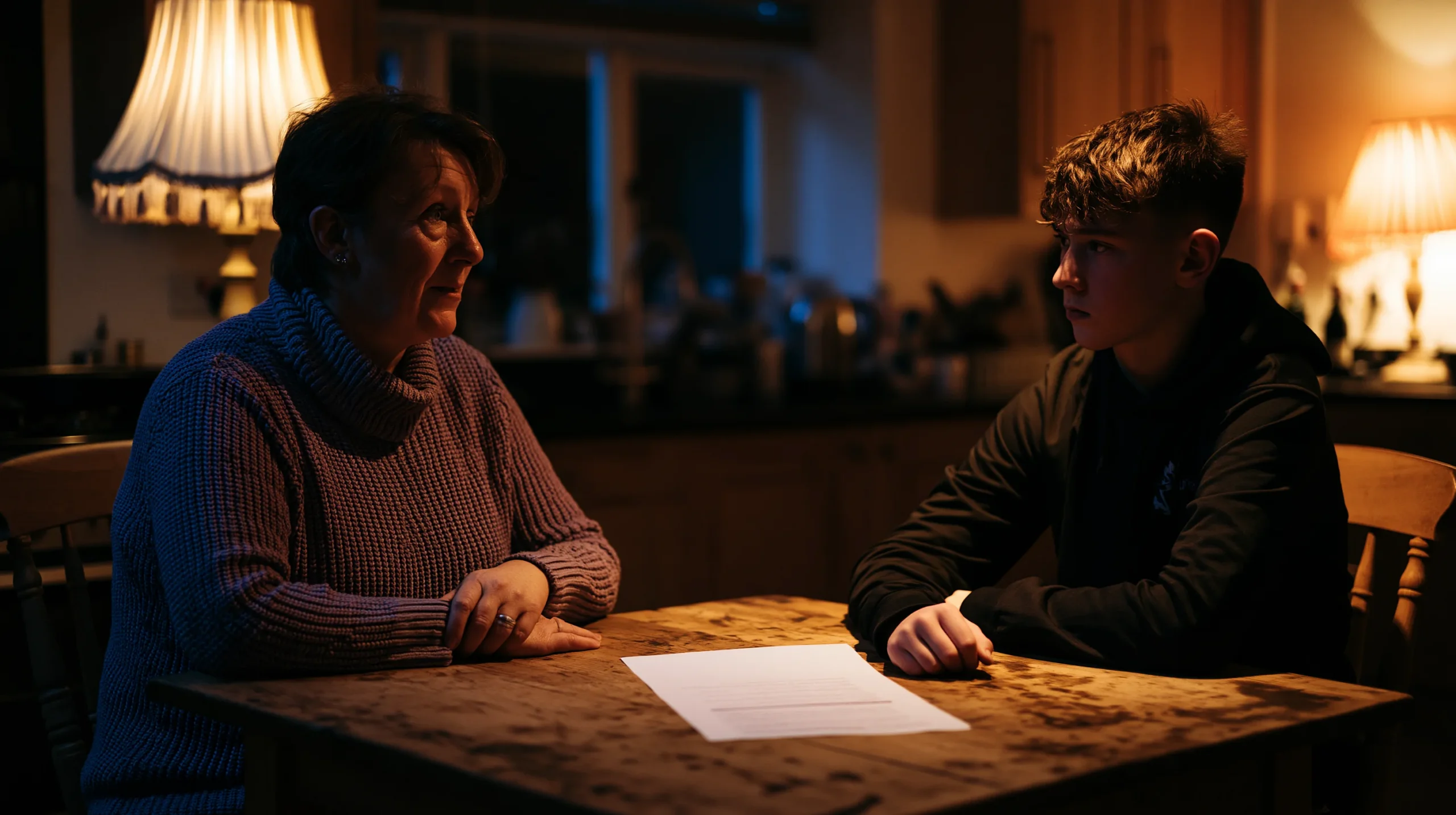
[DIRECTOR OF SUMMER PROGRAMS NAME], FUMA’s Director of Summer Programs, told me this on move-in day, and I did not believe her. On day four, my son called me from the only campus phone he had access to. He said: “This is awful. Get me.”
I said the hardest thing I have ever said to him: “I love you. See you July 25.”
By day six, he was eating, sleeping, and talking about his roommate by first name. By day twelve, he was asking when summer ended because he wanted to know how long until he could come back.

Fork Union was founded in 1898 by a Baptist minister, and the school’s Christian heritage shapes the day. But cadets of every faith and no faith are welcome at FUMA. The chapel service is not a worship requirement; it is a quiet hour in a stained-glass room with two hundred boys sitting still. For my son — who is not particularly religious — it became the part of the day he described as “the part where I think.”
Within a week, the Tactical Officer (“TAC”) assigned to my son’s barracks could tell me what time he had woken up that morning, what he had eaten at lunch, and which classmate he had sat with at dinner. Not because he was being surveilled, but because that is the adult-to-cadet ratio at FUMA Summer Academy and that is what the TAC’s job is. There were no anonymous days.
The first Saturday, my son failed his bunk inspection. The hospital-corner sheets had come untucked. The TAC corrected him, showed him again, and walked away. The second Saturday, he passed. The third Saturday, he showed his roommate how. This is what military school actually is, day to day: a small thing done correctly, then another, then another, until the boy who arrived not knowing how to make a bed leaves knowing how to make a bed every morning of his life.
He came home on July 25 standing two inches taller than the boy I had dropped off. (I checked. He had not actually grown two inches.) He hung up his own clothes. He set the table without being asked. He asked me about my day before I asked about his. On the third night home, he asked if he could go back for the school year. I told him I needed to talk to his father. I cried again, this time at the kitchen sink. Different reason.
We had not planned on year-round boarding when we signed up for summer. We thought of it as a four-week structure break. But the summer became the trial, and the trial removed the unknowns that had been blocking the year decision. By August 15, we had started the application. By October 1, he was a cadet.
For the mother researching this two weeks before move-in: here are the facts you actually need.
| Detail | 2026 Specifics |
|---|---|
| Dates | June 28 – July 25, 2026 |
| Length options | Two 2-week sessions OR one 4-week session |
| Grades served | 7–12 |
| Boarders / day campers | Both available |
| U.S. boarding tuition | $5,875 (current FUMA cadets: $5,375) |
| International boarding tuition | $6,625 (current FUMA cadets: $6,125) |
| Location | Fork Union, Virginia — 1 hour from Richmond and Charlottesville |
| Campus size | 1,100 acres |
[VERIFY 2026 PRICING + DATES with Director of Summer Programs before publish. Source: forkunion.com/summer-academy-and-camps/]

I want to be honest with you, because no one was honest with me.
Summer Academy is the right call if: he is drifting; he needs a structured break from screens; he is curious about boarding; he has a sport to develop; he is heading into a transition year (6→7, 8→9, 11→12).
It is probably not the right call if: he is in active mental health crisis; he has a current behavioral incident pending; you are exploring it as punishment. Fork Union is not a therapeutic program, and the Director will tell you the same thing if you ask her directly. Therapeutic boarding programs exist for the things FUMA does not address, and FUMA’s Admissions team will route you toward them if that is the more honest answer for your family.
That honesty was what convinced me, more than any tour, that this was a school worth trusting my son to.
For broader context on accredited boarding schools and what to look for in any summer program, The Association of Boarding Schools (TABS) maintains a national directory and accreditation standards worth consulting before you commit anywhere.
If you are at the stage I was at last spring — somewhere between “what is this” and “should we try this” — here are the three things worth doing this week:
A year later, the hardest goodbye I ever made turned out to be the best gift I have given my son. I hope this post saves you a little of the parking-lot crying I went through to figure that out.
How long is Fork Union Military Academy’s Summer Academy? FUMA Summer Academy runs four weeks total, June 28 to July 25, 2026. Families can enroll their son in one 4-week session or two back-to-back 2-week sessions.
How much does FUMA Summer Academy cost in 2026? Tuition is $5,875 for U.S. boarding students and $6,625 for international boarding students. Current FUMA cadets receive a $500 discount.
What grades is FUMA Summer Academy for? Summer Academy serves boys entering grades 7 through 12 in the fall of 2026.
Will my son be homesick at military summer camp? Most boys experience some homesickness, with the peak typically around day 4. FUMA’s Tactical Officers and trained counselors are specifically prepared for this — they know each cadet’s name and watch for it. Letters from home (sent to arrive before he does) significantly help.
Can my son use his cell phone at FUMA? Phone use is restricted during the summer program to support the structure of the day. Cadets have scheduled opportunities to call home, and parents can write or email anytime. Most parents report this is the part their son disliked most going in — and missed least coming home.
What is the One Subject Plan in FUMA’s summer program? Fork Union’s signature academic model has cadets focus on a single course at a time. In Summer Academy, this means concentrated instruction in one subject area per session rather than juggling multiple subjects daily.
[PARENT NAME] is a FUMA Class of 2027 parent. This post was reviewed by [DIRECTOR OF SUMMER PROGRAMS NAME], Director of Summer Programs at Fork Union Military Academy.